

When I first met my husband, I told him that I didn't bake. I could cook, certainly, but baking was far out of my comfort zone because baking requires measuring. Cooking can be fast and loose. You can be imprecise and still create delicious savories. Imprecision in baking can result in disastrous textures or horrible tastes.
Over the years, however, I have grown to not just enjoy baking but thoroughly love it. Whipping, whisking, measuring. I fall into a relaxing rhythm when I bake. And, when I'm going for truly precise baking, I even pull out my digital kitchen scale. So, I've come a long way from my measurement-eschewing days!
A few months ago, I joined a blogging group called 'The Cake Slice Bakers.' I was excited that they planned to spend the year baking through The European Cake Cookbook by Tatyana Nesteruk.* I relish year-long projects that allow me to explore an author or a subject and theme in depth. And baking cakes, I knew, would be a challenge for me.
While I do bake, my cake-baking skills are moderate and my cake-decorating skills leave much to be desired. Here are a few cakes I've made in the past. They tasted great, but they weren't very pretty. Case in point...


Enter the world after Nesteruk's book entered my kitchen. I didn't want to write a review of the book until I had a few months under my cake-making belt. For these #TheCakeSliceBakers reveals, I've made...


And this one hasn't posted yet, so mum's the word! But this is the easiest buttercream I have ever made and it was both delicious and pretty. I've made it twice since learning the method.
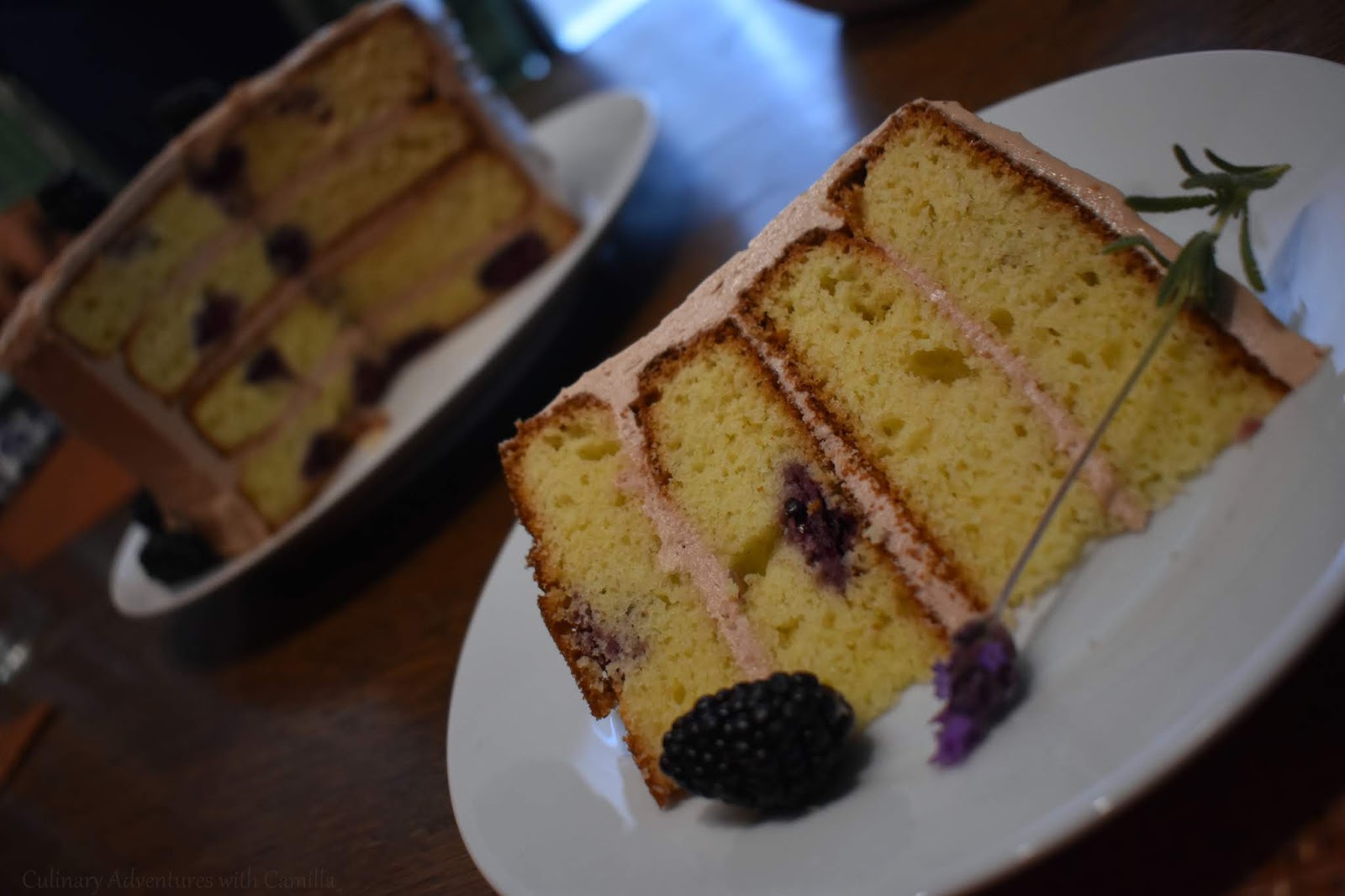
What has me completely enamored with this book: the recipes are interesting, the flavors inviting, and the techniques challenging. And, of the four cakes that I've made, I have already adopted processes for making mousse and buttercream that surpass anything I've previously created. When I continue to go back to a cookbook, I call that a winner.
If you're interested in stretching your cake-baking skills, I highly recommend this book. I'm looking forward to the selections for the rest of the year. By December I should be a much better cake-maker!
*This blog currently has a partnership with Amazon.com in their affiliate program, which gives me a small percentage of sales if you buy a product through a link on my blog. It doesn't cost you anything more. If you are uncomfortable with this, feel free to go directly to Amazon.com and search for the item of your choice.
I am making my first cake with this group this month. Can't wait to join in the fun.
ReplyDeleteCan't wait till reveal day!!
DeleteThis comment has been removed by a blog administrator.
ReplyDelete